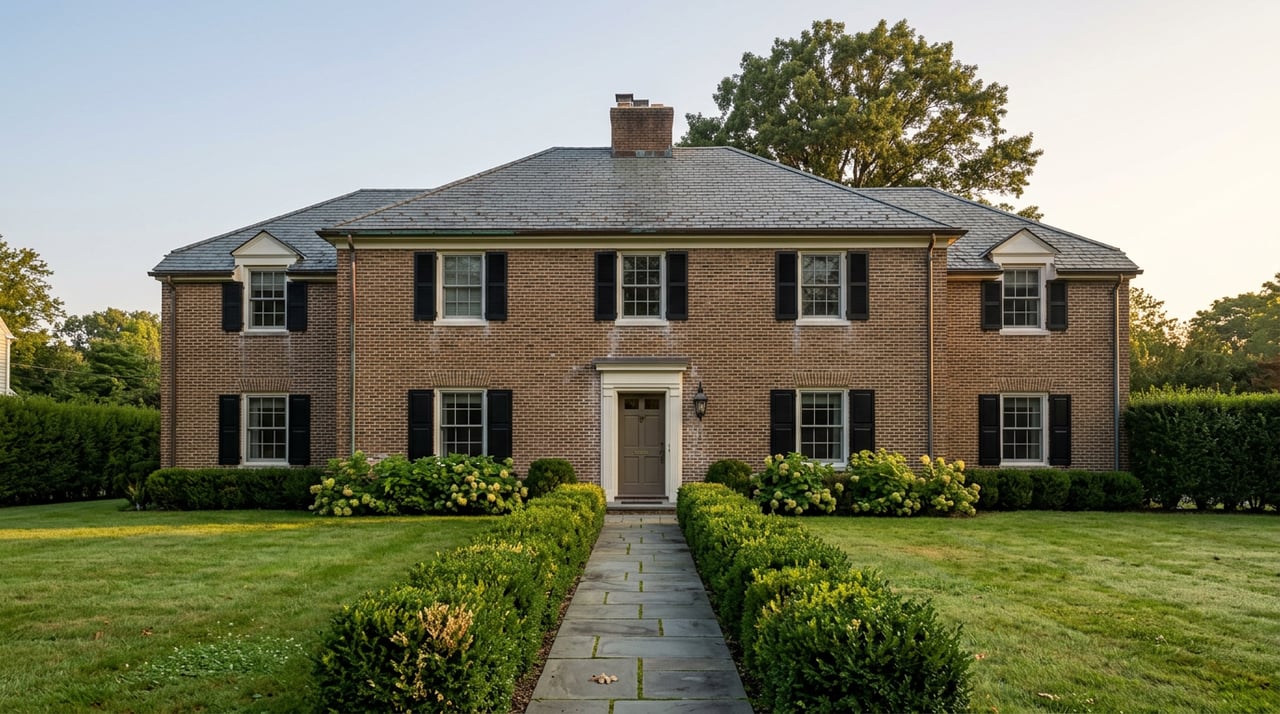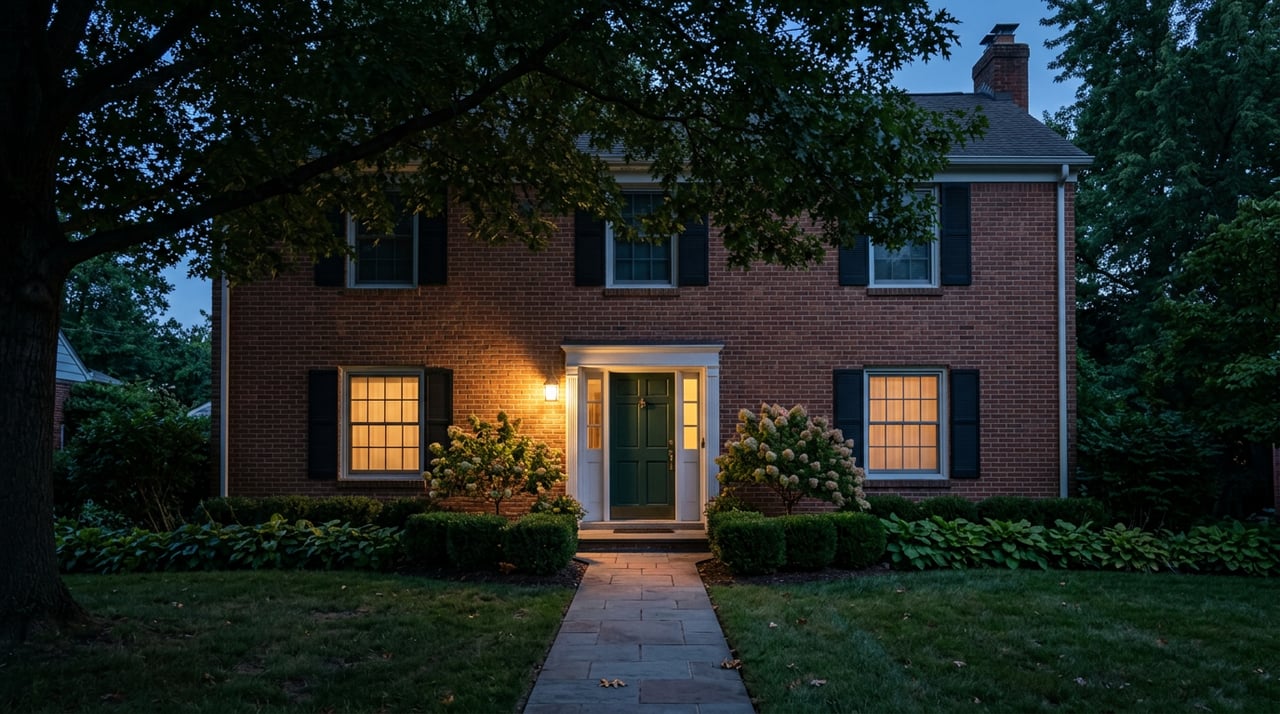
Ask what a house takes to sell in Hopewell Township and the market will hand you a tidy number: 16 days on average, as of July 2026, with a median home price of $722,495 and an average sale price of $770,043. That number describes how long it takes a home to find a buyer. It says nothing about how long it takes that same home to actually close.
For a majority of properties in Hopewell Township, those are two different timelines, and the gap between them is built into the ground the houses sit on.
The infrastructure most buyers never ask about
Roughly 70 percent of the township's properties run on septic systems rather than public sewer, and about 36 percent draw drinking water from private wells instead of the municipal supply. That's not a quirk of a few farmhouses on the edge of town. It's close to the default condition of owning property here, a legacy of a township that grew up rural and never fully converted to centralized utilities the way its denser neighbors did.
Septic tanks and private wells don't show up in a listing photo. They don't factor into the median price the way square footage or a renovated kitchen does. But they trigger a compliance process that has nothing to do with how motivated the buyer is or how quickly the seller wants to move, and everything to do with how the township and the state have decided to protect groundwater.
The requirement that sits between contract and closing
Before any property in Hopewell Township can legally transfer, whether by sale, rental, or change of use, the seller needs a Letter of Review from the township, confirming the septic system and well water meet local standards. This applies to residential, agricultural, commercial, and industrial properties alike. Homes already connected to public water or public sewer are exempt, but for the roughly two-thirds of the township still on private systems, it is not optional.
The process itself is deliberately unglamorous. A third-party inspection firm examines the septic system following state-prescribed procedures. Water quality gets tested separately. Both reports, along with a completed application and a $150 fee, split evenly between the $75 septic review and $75 water quality review, go to the township's health department. The fee is cash or check only, made out to Hopewell Township, and the office does not accept partial applications or missing paperwork. Everything has to arrive together, complete, at least 10 business days before the change of occupancy.
Ten business days sounds manageable until you consider what happens if the septic inspection turns up a problem.
What happens when the system fails
If the inspection finds deficiencies, whether in the septic system or the water quality, the health department doesn't dictate the fix. That negotiation happens privately, between buyer and seller. The department wants a written plan showing what will be repaired, by whom, and on what timeline, but the actual resolution, whether that means a price credit, a pre-closing repair, or a renegotiated deadline, is left to the two parties and their agents to work out.
This is where a fast-moving market becomes a liability rather than an asset. A property that goes under contract in 16 days creates pressure to close just as quickly. But if the septic inspection surfaces a cracked baffle, a saturated drain field, or a tank that hasn't been pumped in years, the repair timeline runs on its own schedule, one that doesn't care how many other buyers were interested.
Two clocks, one closing date
The township's Letter of Review isn't the only compliance step layered onto a Hopewell Township sale. New Jersey's Private Well Testing Act, in place since 2002, requires that any property sold with a private well have its water tested by a certified lab, with results reviewed by both buyer and seller before the closing can occur. For Mercer County specifically, that testing panel includes uranium, a parameter not required in every county in the state.
Here's how the two systems compare on paper:
| Requirement | Who administers it | Minimum lead time before closing | Cost |
|---|---|---|---|
| Hopewell Township Letter of Review | Township Health Department | 10 business days before change of occupancy | $150 flat ($75 septic + $75 water), cash or check |
| NJ Private Well Testing Act | State-certified lab, per NJDEP | Results must be reviewed by both parties before closing; industry guidance recommends starting 30+ days out | Varies by lab and contaminant panel, including uranium testing required in Mercer County |
Neither of these processes is designed to slow anyone down deliberately. Both exist because groundwater contamination is a real and documented problem in New Jersey, and both put the burden of proof on the transaction itself rather than trusting a seller's word. But run side by side, an unremediated water test and a septic deficiency can each independently hold up a closing that the market clock already said was moving fast.
Industry guidance on septic compliance generally recommends scheduling a pre-listing inspection 30 to 45 days before a home even goes on the market, precisely so a seller has room to fix problems on their own timeline instead of the buyer's. In a market where homes average 16 days to attract an offer, that pre-listing window is often the only slack in the entire process.
Why this matters more here than in a typical Mercer County sale
A buyer moving from a townhome in West Windsor or a condo in Princeton borough, both largely on public water and sewer, may have never dealt with a Letter of Review or a PWTA test in their life. Arriving in Hopewell Township with that inexperience, and with a lender's own closing deadline already on the calendar, is how a routine transaction turns into a scramble.
Sellers face a mirror version of the same risk. A septic system installed decades ago, quietly functioning for years, can still fail an inspection under today's standards. New Jersey's septic rules require minimum setback distances from wells, property lines, and surface water, and a system that predates current code isn't automatically exempt just because it has worked without incident. Many of Hopewell Township's older homes, some near the historic district that the township's Historic Preservation Commission oversees, were built and plumbed long before any of these regulations existed.
None of this means a Hopewell Township sale is riskier than one anywhere else in the region. It means the paperwork runs on a separate track from the one most people are watching, and the only way to keep both tracks moving together is to start the septic and water testing early, before the property is even listed, rather than treating them as a formality to handle after an offer comes in.
A short list of what to confirm before signing anything
- Whether the property is served by public water and sewer, or by a private well and septic system
- If private, whether a septic inspection and water quality test have been completed within the last year
- Whether the township's Letter of Review application has already been filed, or still needs to be
- Whether the well water has been tested for the full PWTA panel required in Mercer County, including uranium
- Who is paying for testing and any needed repairs, since neither the township nor the state dictates this by default
FAQ
Does every home in Hopewell Township need a Letter of Review? Only if it relies on a private septic system or well. Homes connected to public water and public sewer are exempt from this specific requirement, though they may still fall under other disclosure rules.
Who pays for the septic and well testing? New Jersey law and Hopewell Township policy both leave this to private negotiation between buyer and seller. It is typically addressed in the purchase contract rather than dictated by either the state or the township.
What if the test results come back with a problem? The buyer and seller negotiate the resolution directly, whether that's a repair before closing, a price adjustment, or an extended timeline. The township wants documentation of the plan, but does not mediate the outcome.
How far in advance should this process start? Given the 10 business day minimum for the township's review and the additional time a water test or septic repair can require, starting the process before a home is even listed gives both sides the most room to work with.
A market that moves in 16 days rewards sellers who are ready before the first showing and buyers who know what to ask before they write an offer. In Hopewell Township, that readiness starts underground, with paperwork that has nothing to do with curb appeal and everything to do with what happens after the ink dries.
If you're weighing a purchase or a sale in Hopewell Township and want a clear-eyed read on what your specific property's water and septic history means for your timeline, Helen Sherman can walk through it with you before you're under contract, not after.