If your workweek depends on a smooth train ride, a manageable drive, or a home setup that supports hybrid work, where you live in West Windsor can shape your daily routine more than you might expect. Many buyers start with one question, like how close they can get to Princeton Junction, but the better question is how the whole commute works from front door to platform. This guide will help you think through station access, road patterns, parking, and home features so you can choose a West Windsor home that fits the way you actually live. Let’s dive in.
Why Princeton Junction Shapes the Search
For many commuters, West Windsor is really a station-centered market. Princeton Junction Station sits on NJ TRANSIT’s Northeast Corridor, and the Princeton Branch connects downtown Princeton and Princeton University with Princeton Junction Station. That makes the station area a practical anchor when you compare homes across the township.
The township’s Transit Village focus also gives the Princeton Junction area a different feel from farther-out residential pockets. Town planning has supported mixed-use development within walking distance of the station, so homes near the station often come with stronger commute convenience and more nearby activity. Homes farther from the station may offer a different balance, with less station traffic and more separation from redevelopment areas.
Compare Homes by Commute Mode
Before you narrow your list, decide which commute mode you will use most often. A house that looks ideal on paper may feel less convenient if your real routine involves driving to a permit lot, biking to the train, or walking part of the route.
Start with the basics:
- Do you expect to walk to Princeton Junction most days?
- Will you bike and want easy access to bike racks or lockers?
- Will you drive and rely on permit or daily parking?
- Do you expect a hybrid schedule with fewer train days each week?
That answer should guide your search more than straight-line distance alone. In West Windsor, a home can be a better commuter choice even if it is not the closest one to the station.
Parking Matters More Than Buyers Expect
If you plan to drive to Princeton Junction, parking should be part of your housing search from day one. NJ TRANSIT lists parking, bike amenities, and multiple commuter lots at the station. The West Windsor Parking Authority also notes that permits guarantee a spot in the designated lot, while daily parking is first-come and subject to lot rules and availability.
That is a big practical difference. If your schedule is rigid and you need predictability, permit parking may matter just as much as the home’s location. If your work pattern is more flexible, daily parking could be enough, but it is still wise to understand the rules before you commit to a home.
For some households, even small parking details can make life easier. The West Windsor Parking Authority allows free weekend parking in the Wallace Permit Lot, which may help if your household alternates between train use and family-car use on different days.
Roads Can Change the Feel of a Commute
West Windsor’s road network plays a major role in how easy, or frustrating, your first mile feels. The township’s circulation plan identifies Route 1 as the only principal arterial road, with roads such as Quakerbridge/Province Line, Old Trenton, Princeton-Hightstown Road/Route 571, Clarksville, Meadow, and Alexander serving as secondary arterials.
For buyers focused on Princeton Junction, the local commute network deserves even closer attention. The township specifically highlights the Alexander Road Bridge, Vaughn Drive, Wallace Road, Route 571, Clarksville/North Post roads, Alexander Road, and Bear Brook Road as important parts of station access. If you expect to drive, these routes may affect your routine more than your ZIP code ever will.
The township also aims to direct regional traffic around residential neighborhoods rather than through them. That matters because two homes with similar station distances can deliver very different day-to-day experiences depending on street patterns, cut-through traffic, and how directly you can reach the station area.
Walkability and Bike Access Are Real Search Criteria
In West Windsor, walkability is not just a lifestyle bonus. The township recommends sidewalks in pedestrian activity centers such as the train station, recreation areas, and schools, along with more continuous sidewalk links on roads including Meadow Road, Clarksville Road, and Alexander Road to Route 1.
The circulation plan also calls for turn lanes, signal coordination, and pedestrian and bicycle amenities near Princeton Junction. For you as a buyer, that means the exact block matters. Two homes in the same general area can feel very different if one has a more practical walking route or a simpler bike connection to the station.
If walking or biking is part of your plan, pay attention to:
- How direct the route feels
- Whether sidewalks appear continuous on your likely path
- Whether intersections seem manageable for daily use
- How close you are to station-related traffic patterns
Closer to the Station Is Not Always Better
It is easy to assume that the best commuter home is the one nearest Princeton Junction. Sometimes that is true, especially if shaving minutes off the morning routine is your top priority. But in West Windsor, proximity often comes with tradeoffs.
Close-in homes may offer easier station access and less driving. At the same time, they may sit nearer to parking traffic, busier approach roads, and ongoing redevelopment activity connected to the village center focus. A slightly farther home may add a few minutes to the first mile, yet give you a quieter street, a calmer setting, or more room for a dedicated office.
That is why a smart search looks beyond simple distance. The better question is which location gives you the best balance of convenience, comfort, and daily predictability.
Hybrid Work Changes What “Commuter-Friendly” Means
A commuter home in 2026 is not just about getting to the train. It also needs to support the days you work from home. That matters because hybrid schedules remain common. The Bureau of Labor Statistics reported that 35 percent of employed people did some or all of their work at home on days they worked in 2023, and the telework rate was 22.9 percent in the first quarter of 2024.
For West Windsor buyers, that means commute planning and home-office planning should happen together. You are not only buying travel time. You are also buying the quality of your workday when you are not on the train.
Look for features such as:
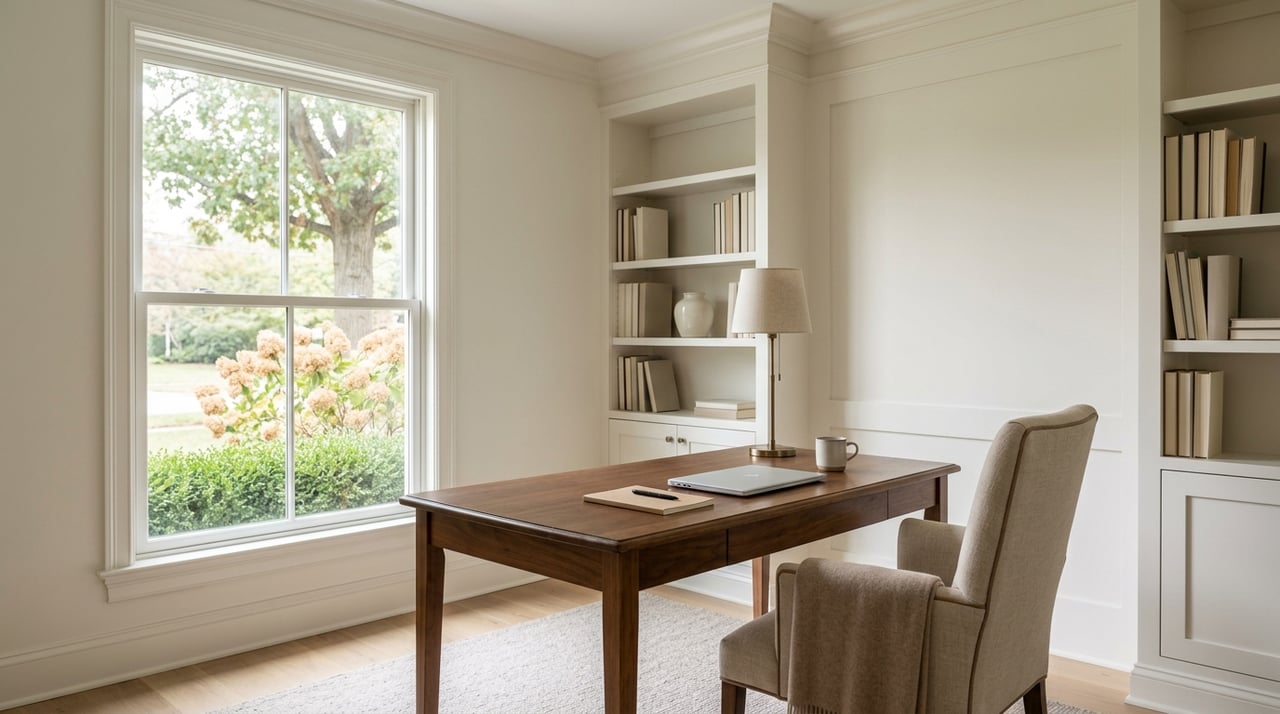
- A true office or flexible den
- Doors that close for calls and meetings
- Enough separation for two workspaces if needed
- Reliable internet service options
- Storage for work equipment
- Parking that works when one person commutes and one stays home
These details can matter just as much as a short drive to Princeton Junction. In many households, they matter more.
Think About Weekly Rhythm, Not Just Rush Hour
The right home should support your whole week, not only the 7:30 a.m. rush. If your schedule includes home-office days, after-work errands, or weekend train use, you will want to think about how the property fits those routines too.
For some buyers, nearby outdoor space also adds value to a hybrid schedule. Mercer County Park spans more than 2,500 acres across West Windsor, Hamilton, and Lawrence and offers year-round active and passive recreation. Access to a major park can make a work-from-home week feel more balanced and can be a meaningful quality-of-life factor when you compare locations.
A Simple Checklist for West Windsor Buyers
When you tour homes, use a short list of practical questions to stay focused. This can help you compare properties based on how they function, not just how they look.
Ask yourself:
- Which commute mode will you use most often?
- Which station lot or road route would you actually rely on?
- Can the home support one or two workspaces without conflict?
- How comfortable are you with parking rules, traffic, or redevelopment activity near the station?
NJ TRANSIT advises customers to confirm parking details with the local operator in advance. That is a useful mindset for the entire home search. In a commuter market like West Windsor, small logistical details can have an outsized effect on how happy you are with your choice.
Why Block-by-Block Advice Helps
Town plans and station information are valuable, but they only take you so far. Once you begin choosing between specific streets, the details become more personal and more nuanced. One block may feel much easier for walking, another may offer a more direct drive, and another may give you more separation from station-related activity.
That is where local, experienced guidance becomes especially useful. Comparing commute convenience against traffic patterns, parking logistics, and home layout takes more than a map search. It takes a grounded understanding of how West Windsor functions in real life.
If you are weighing West Windsor homes with Princeton Junction in mind, working with an advisor who understands both the broader market and the street-level tradeoffs can help you buy with more clarity and confidence. When you are ready to compare options thoughtfully, connect with Helen Sherman for tailored guidance.
FAQs
What makes West Windsor a strong choice for New Jersey commuters?
- West Windsor centers around Princeton Junction Station on NJ TRANSIT’s Northeast Corridor, giving many buyers direct access to a major rail commute while still offering a range of residential settings across the township.
What should buyers know about Princeton Junction parking in West Windsor?
- Princeton Junction offers multiple commuter parking options, but rules vary, and the West Windsor Parking Authority says permit parking guarantees a spot in the designated lot while daily parking is first-come and subject to availability.
How should buyers compare West Windsor homes near Princeton Junction Station?
- You should compare homes by your actual commute pattern, including whether you will walk, bike, or drive to the station, and also weigh tradeoffs such as traffic, parking access, and redevelopment activity near the station.
What home features matter most for hybrid work in West Windsor?
- Useful features include a dedicated office or flexible den, doors that close for calls, room for two work areas if needed, storage for equipment, and parking that works well for mixed home and train schedules.
Is the closest home to Princeton Junction always the best commuter option in West Windsor?
- Not always, because a slightly farther home may offer quieter streets, a better home-office setup, or a commute route that feels easier in daily use even if it is not the shortest distance to the station.