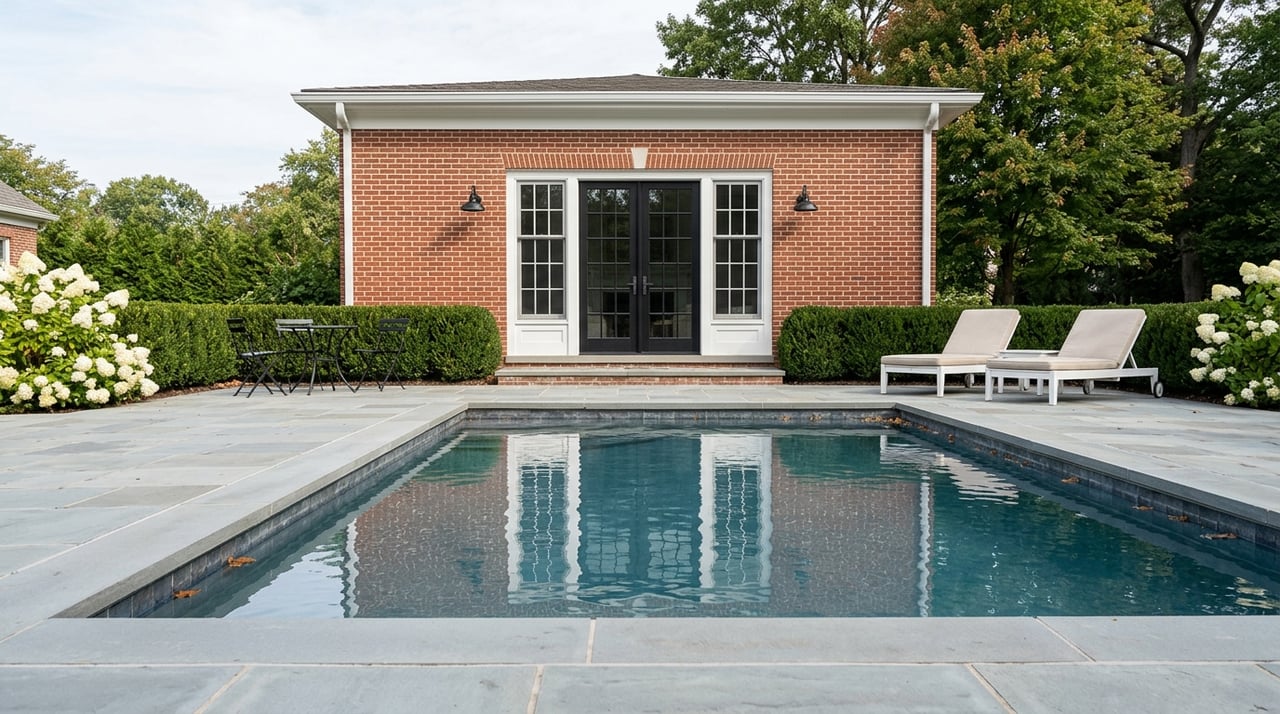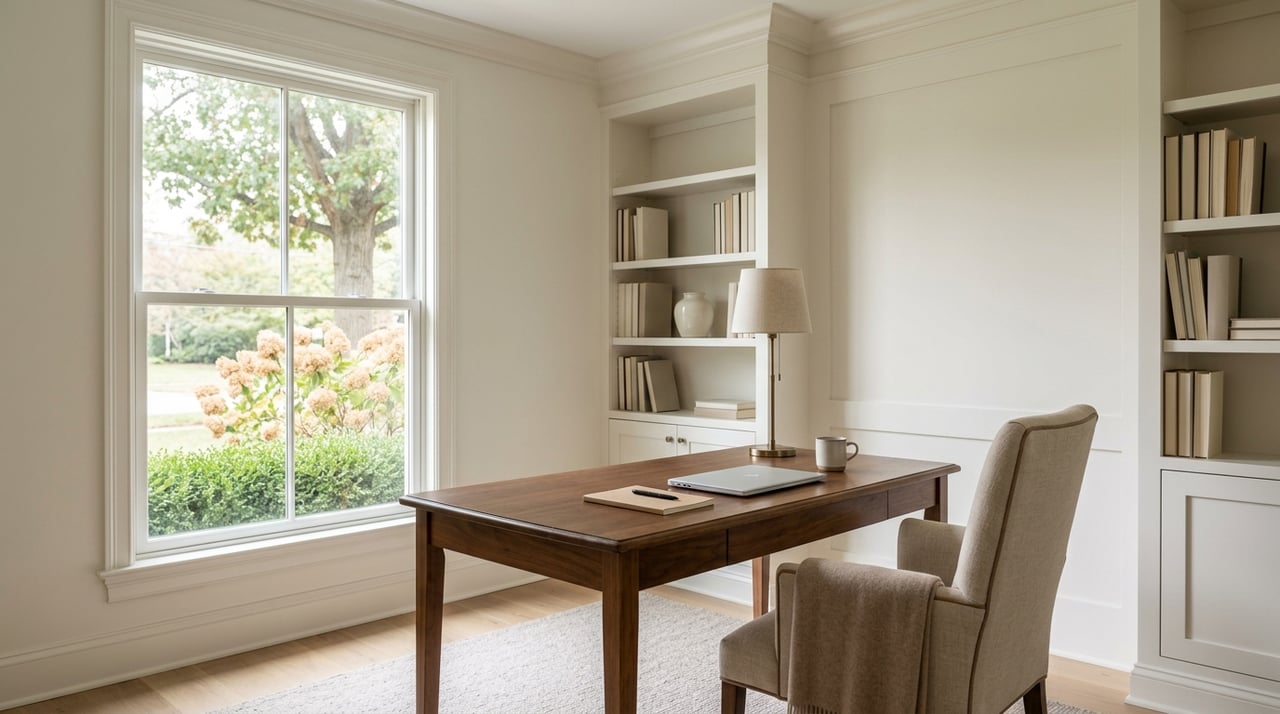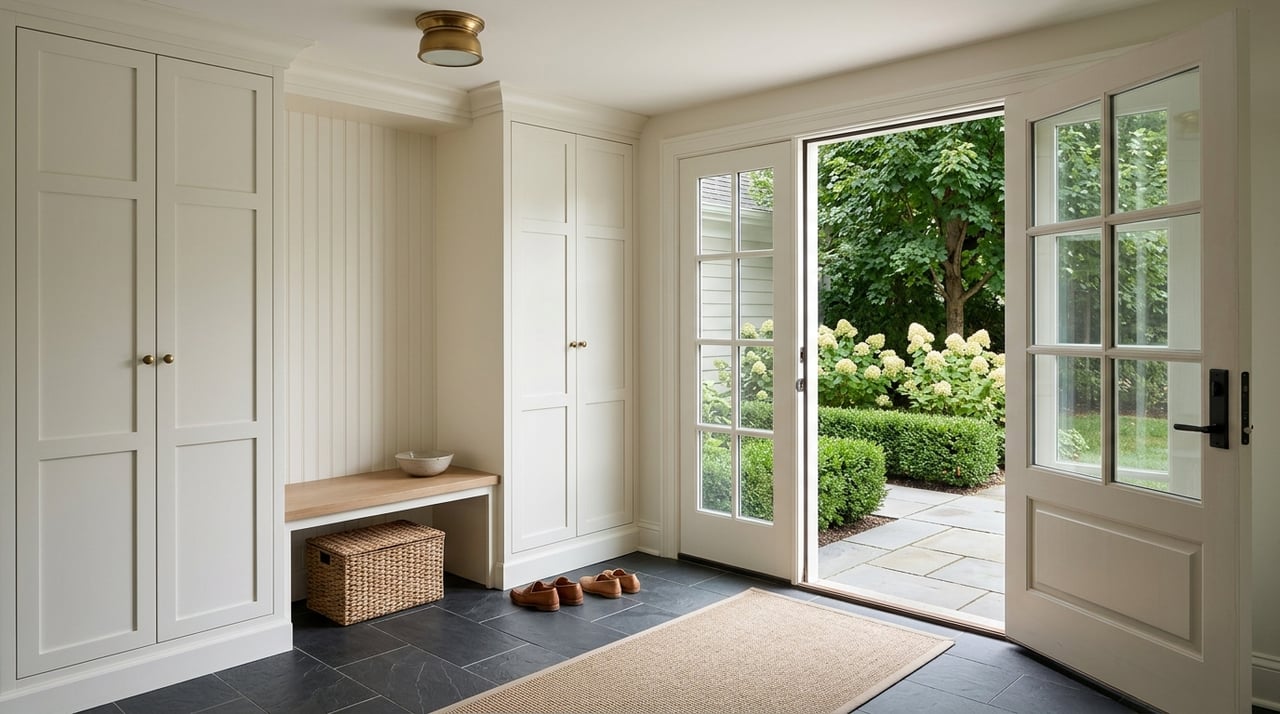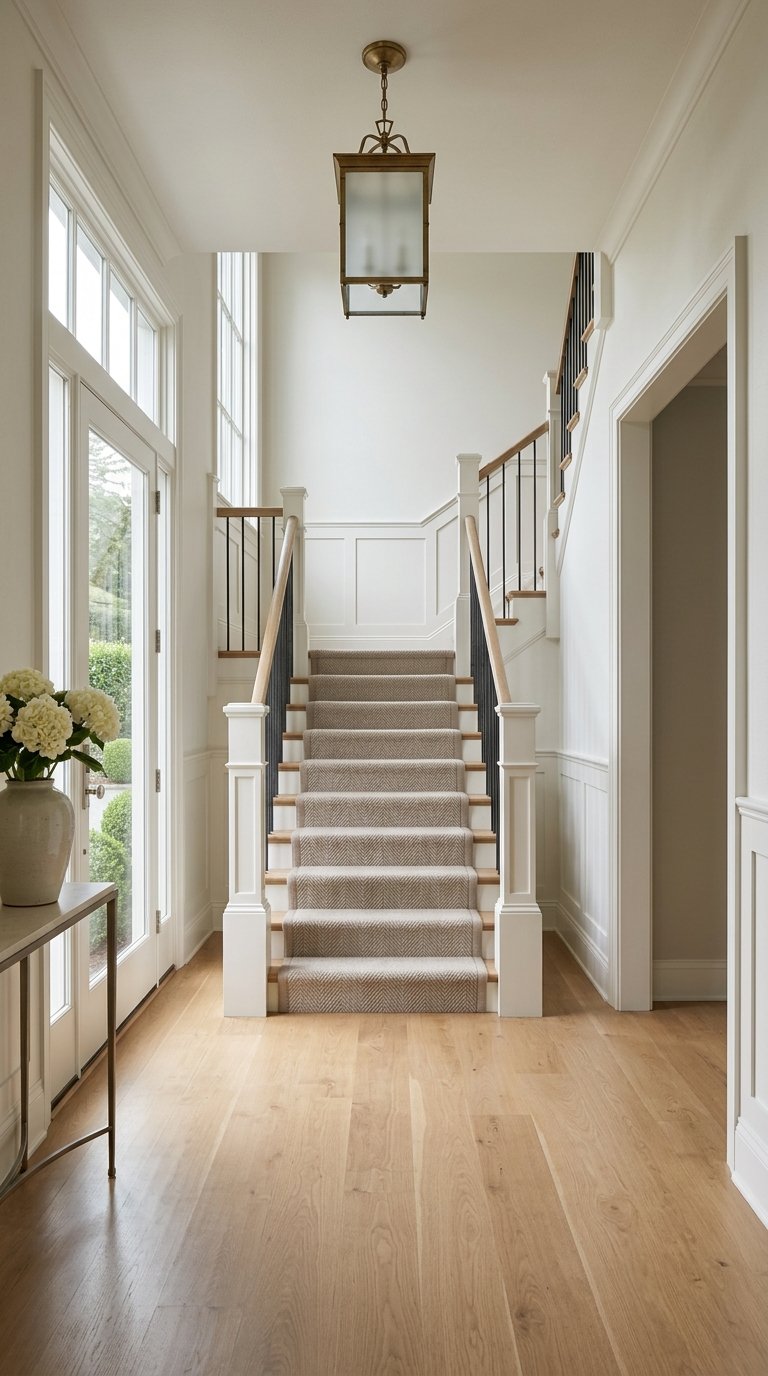
What makes one Princeton luxury home feel immediately market-ready while another sits longer than expected? In a market where presentation and pricing both carry real weight, thoughtful preparation can shape how buyers respond from the very first showing. If you are planning to sell, it helps to know where to invest, what to verify, and how to launch with confidence. Let’s dive in.
Why preparation matters in Princeton
Princeton remains a premium market within Mercer County, but luxury sellers still need a disciplined strategy. Realtor.com’s June 2026 snapshot shows a median listing price of $1.1625 million in Princeton and median days on market of 29. Mercer County overall has been more balanced, with homes selling in a median of 34 days and about at asking price, with 613 single-family homes in inventory and 3.5 months of supply in May 2026 according to NJ Realtors.
The takeaway is simple. You cannot rely on scarcity alone, even at a higher price point. Buyers notice condition, design coherence, and pricing right away, especially when they are comparing several well-located homes online.
Focus on polish, not major renovation
One of the most common seller questions is whether to renovate before listing. In Mercer County, cosmetic updates like fresh paint, updated fixtures, and tidy landscaping are generally more helpful than major renovations, which often do not return their full cost.
For most Princeton luxury homes, that means taking a targeted approach. Fix what feels visibly worn, refresh the surfaces buyers see first, and avoid large discretionary projects unless they solve a real condition issue or approval problem.
Updates that often make sense
Before your home goes on the market, practical improvements may include:
- Fresh interior paint in neutral tones
- Updated light fixtures or hardware where finishes feel dated
- Landscape cleanup and simple exterior polish
- Repairs to visibly worn flooring, trim, or doors
- Maintenance that improves the home's overall sense of care
These steps help buyers focus on the home itself instead of on a list of small distractions. In luxury marketing, small details can affect the overall impression more than sellers expect.
Projects to think through carefully
A major kitchen overhaul, full bath remodel, or large addition may not be the best pre-sale investment. Those projects can be expensive, time-consuming, and difficult to tailor to every buyer’s taste.
If you are considering a larger project, the better question is whether it will remove a meaningful obstacle to sale. If the answer is no, a clean, elegant, well-maintained presentation is often the wiser move.
Confirm permits and approvals early
If your home has had recent work, paperwork matters. Princeton’s Building & Construction Department handles plan review, permits, and inspections under the New Jersey Uniform Construction Code, and permits are required for many common projects including additions, decks, fences, driveways, patios, pools, solar panels, and generators.
That means one of the smartest pre-market steps is confirming that recent improvements were properly approved and completed. Missing permits or unfinished approvals can create delays when a buyer starts asking questions.
Historic district review may also apply
If your property is in a locally designated historic district, proposed exterior changes may involve review by the Office of Historic Preservation. Princeton’s zoning office coordinates with preservation review when projects overlap.
Before listing, it is worth checking whether recent exterior work was fully cleared. This can be especially important for sellers of older in-town homes where preservation oversight may affect what was done and how it is documented.
Use a pre-list inspection strategically
A pre-list inspection is not always about finding every possible issue. It is most useful when it helps you identify concerns that line up with what New Jersey expects sellers to disclose.
According to New Jersey’s updated disclosure instructions, sellers should be prepared to address issues such as roof condition, basement moisture or mold, structural cracks, pest or termite issues, environmental hazards, radon, pools and spas, and flood history. The property condition disclosure questions and flood-risk addendum must be completed before a buyer becomes obligated under contract.
What a pre-list inspection can do for you
A focused pre-list inspection can help you:
- Spot repair items before buyers do
- Plan which issues to fix and which to disclose
- Gather better information for your paperwork
- Reduce surprises during buyer due diligence
This does not replace a buyer’s own inspection. It simply gives you more control over the process and more time to make thoughtful decisions before the home goes live.
Be careful with older-home touch-ups
If your home was built before 1978, lead-based paint rules may apply. Sellers must disclose known lead-based paint information before sale, and paid work that disturbs painted surfaces should be handled with care.
That matters if your pre-list preparation includes sanding, repainting, or window work. For older Princeton homes, even simple cosmetic refreshes should be planned with the age of the house in mind.
Stage for clarity and scale
In luxury real estate, staging is not about making a home feel artificial. It is about helping buyers understand the space, the flow, and the lifestyle the home supports.
The National Association of Realtors defines staging as presenting a property so buyers can envision living there. In its 2025 staging report, 83% of buyers’ agents said staging makes it easier for buyers to visualize a home as their future residence. More than a quarter of professionals said staging increased the dollar value offered by 1% to 10%, and about half of sellers’ agents said it reduced time on market.
Where staging has the biggest impact
For a Princeton luxury home, the priority is usually the spaces buyers notice first and revisit most in their minds. That often includes:
- The entry and main living areas
- The kitchen and dining spaces
- The primary bedroom
- High-traffic circulation areas
- Outdoor spaces that add lifestyle value
NAR guidance supports decluttering, neutralizing, removing bulky furniture, and keeping important spaces spotless and easy to navigate. In a higher-end home, that clarity helps buyers appreciate scale, light, and architectural details.
Finish photography before launch
Most buyers begin online, and listing photos do heavy lifting. NAR reports that 52% of buyers found the home they purchased online, nearly half began their search online, and 81% rated listing photos as the most useful feature during their search.
That is why photography should happen only after the home is fully ready. If staging is incomplete, landscaping is behind, or a room still needs touch-up work, it is usually better to wait and capture the home at its strongest.
The first few days matter most
NAR also notes that the first 72 hours after launch provide the clearest signal of how a listing is performing online. You want that early traffic to see your home at its absolute best.
For luxury sellers, that often means resisting the urge to list quickly just to get on the market. A polished launch usually creates more momentum than a rushed one.
Time your listing with enough runway
Broad timing data point toward spring as a strong listing season. Realtor.com’s 2026 Best Time to Sell report names April 12 through 18 as the strongest national listing week, while Zillow’s 2026 analysis says homes listed in the last two weeks of May earned about 1.7% more on average. Zillow also says many sellers begin thinking about selling three to four months before they list, and that Thursday tends to be a strong day to go live.
For a Princeton luxury seller, the real lesson is not to force the calendar. Starting early gives you time to repair, stage, photograph, and organize documents without compromising quality.
A practical prep timeline
A thoughtful pre-listing timeline may look like this:
- 3 to 4 months out: discuss pricing strategy, identify updates, review permits, and order any inspections you want done early
- 6 to 8 weeks out: complete repairs, cosmetic refreshes, and landscaping work
- 2 to 3 weeks out: finalize staging, paperwork, and photography
- Launch week: go live only when the home, photos, and disclosures are fully ready
This approach helps you avoid last-minute decisions that can weaken presentation or delay a contract.
Gather paperwork before the listing goes live
Luxury buyers often expect a well-run process from the start. Having your documentation organized can make the transaction smoother and show that the property has been carefully maintained.
Before launch, gather:
- Property condition disclosure information
- Flood-risk information and the required addendum
- Permits and final inspections for recent work
- Warranties and service records for major systems
- Any survey or elevation certificate you already have
If the property has recent exterior work or sits in a historic district, confirm whether preservation or zoning review needs to be addressed before public marketing begins. Handling this in advance can prevent avoidable friction later.
Price discipline still matters
Even a beautifully prepared home needs a pricing strategy grounded in current market conditions. In a balanced market, buyers tend to reward homes that feel aligned in both presentation and price.
That is where local judgment matters. A luxury home in Princeton should enter the market with a clear plan that reflects condition, competition, and how buyers are likely to respond in the first days online.
A strong luxury sale is rarely the result of one decision alone. It usually comes from a series of smart ones, from targeted updates and careful documentation to thoughtful staging, polished photography, and measured timing.
If you are considering a sale, working with an advisor who understands Princeton’s upper-tier market can help you decide what is worth doing, what is not, and how to bring your home to market with clarity. To start planning your next move, connect with Helen Sherman.
FAQs
What updates are worth making before selling a Princeton luxury home?
- In Mercer County, cosmetic improvements such as fresh paint, updated fixtures, and tidy landscaping generally make more sense than major renovations that may not return their full cost.
Should you get a pre-list inspection for a Princeton home sale?
- A pre-list inspection can be useful when it helps identify issues tied to New Jersey disclosure categories, such as roof condition, moisture, structural cracks, pests, radon, pools, spas, and flood history.
Does staging help when selling a luxury home in Princeton?
- Yes. NAR reports that staging helps buyers visualize the home, may increase the dollar value offered by 1% to 10%, and can reduce time on market.
When is the best time to list a Princeton luxury home?
- Spring is generally the strongest window based on 2026 timing data, but the home should not go live until repairs, staging, photography, and disclosures are fully complete.
What documents should you gather before listing a Princeton home?
- Key items include the property condition disclosure, flood-risk information, permits and final inspections for recent work, major system records, and any survey or elevation certificate already available.