Trying to choose between West Windsor and in-town Princeton can feel like comparing apples to heirlooms. You want the right mix of space, price, commute, and lifestyle without second-guessing a major decision. In this guide, you will see side-by-side differences that matter in daily life and long-term value so you can move forward with clarity. Let’s dive in.
Price and value at a glance
If you are weighing budget first, start with the big picture. Median owner-occupied home values show a clear spread: West Windsor is about $776,400 while Princeton is about $1,050,600, according to the U.S. Census QuickFacts for West Windsor and Princeton. That gap reflects what you typically get for the money in each place.
What that means for you:
- You often find more bedrooms and larger lots in West Windsor at a given price point.
- In-town Princeton commands a premium for walkability and historic character, especially close to Nassau Street and Princeton University.
- Inventory inside the walkable core is tighter, which can increase competition for certain homes.
When you compare homes, look beyond list price. Factor in property taxes, utilities, and commuting costs to understand your true monthly carrying costs.
Housing types and lot sizes
West Windsor: suburban choice and space
West Windsor is largely suburban, with a mix of single-family neighborhoods plus townhome and condo communities. Township planning materials list established communities like Windsor Ponds, Village Grande, and Townes at West Windsor, along with areas targeted for new units under the township’s 2025 Housing Element and Fair Share Plan. You will typically see newer construction patterns, more cul-de-sacs, and homes that trade up in square footage and yard size for each dollar. The adopted plan outlines where future townhouse and affordable units are planned, which can add options in the coming years. For details, review the township’s Housing Element and Fair Share Plan.
In-town Princeton: history and walkability
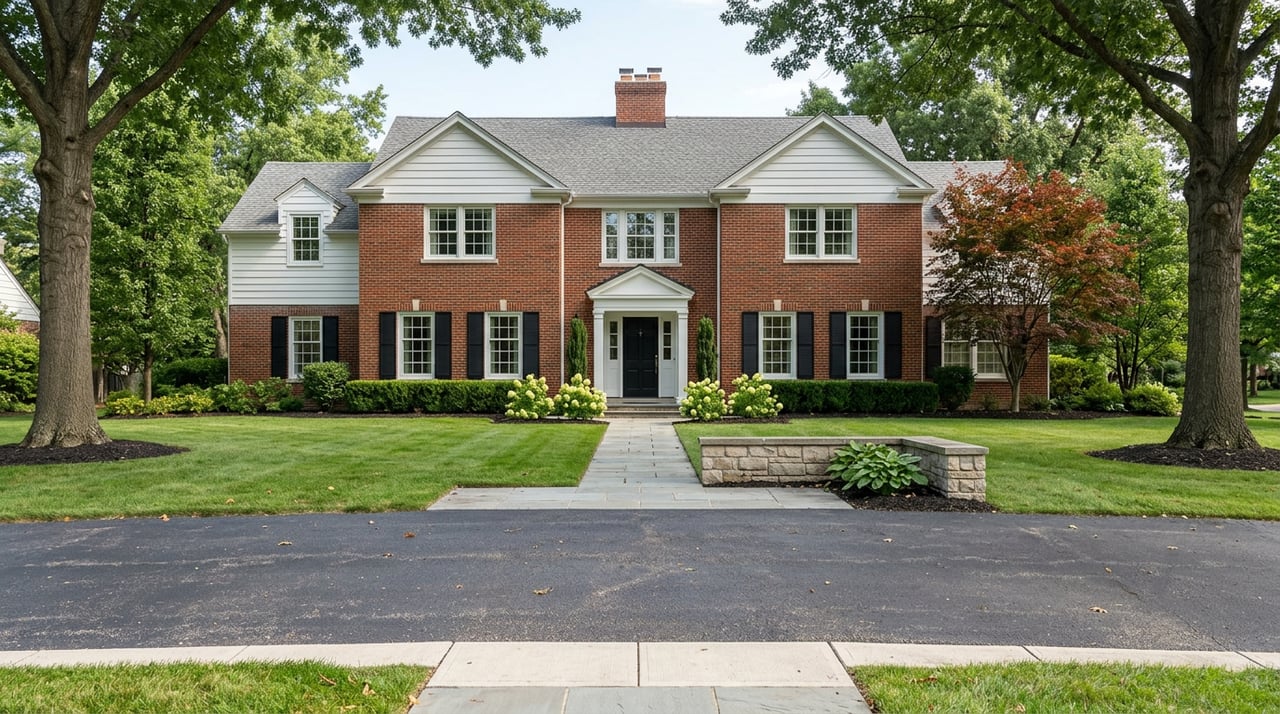
Princeton’s downtown core includes older single-family homes, pre-war houses, townhouses, and a handful of walkable condos and loft conversions. Lots near Nassau, Witherspoon, and Palmer Square tend to be smaller, and supply is limited in the most walkable blocks. Princeton’s zoning and staff reports highlight a range of residential districts, including small-lot zones near the core and larger minimum lots farther out, which explains why you find both compact properties downtown and larger estates in the broader municipality. You can see examples of zoning context and neighborhood planning in a municipal staff report such as 461 Mt. Lucas Road.
Bottom line: if your priority is space and a larger yard, West Windsor usually stretches your dollars further. If your priority is to live steps from restaurants, arts, and the University, in-town Princeton is where you will focus, often at a premium.
Commute and transportation
One regional rail hub
Princeton Junction, located in West Windsor, is the main NJ Transit Northeast Corridor station serving both communities. It offers large commuter parking options and connects to downtown Princeton via the short Princeton Branch, known as the Dinky. If regional rail to Newark, New York, or Trenton is part of your routine, this station is your anchor. Explore schedules and station details on the NJ Transit Princeton Junction page.
Average commute time in real life
Census data show different typical commutes for residents. West Windsor’s mean travel time to work is about 38.6 minutes, while Princeton’s is about 24.2 minutes. These figures come from U.S. Census QuickFacts and reflect door-to-door travel across all modes, which helps you understand typical daily time burdens for each community.
Practical tips:
- Test your door-to-door morning and evening commute on a weekday.
- If you will park at Princeton Junction, include drive time, parking, and platform wait time in your estimate.
- If you will use the Dinky into town, include transfer time and walking time to your final destination.
Everyday lifestyle and amenities
Downtown Princeton culture and dining
If walkability is a must, downtown Princeton delivers a full slate of restaurants, boutique shops, and cultural programming tied to Princeton University. The area around Nassau Street and Palmer Square has long been known for pedestrian access, café-lined blocks, and frequent events. For a snapshot of the in-town experience and walkability context, see this overview from Walkable Princeton.
West Windsor parks and room to roam
In West Windsor you will find neighborhood parks, playgrounds, and easy access to regional trails. The Delaware and Raritan Canal State Park Trail runs through the area and is a local favorite for biking and weekend walks. To preview the towpath and route options, check the D and R Canal State Park Trail overview.
Healthcare and daily needs
Both communities are served by Penn Medicine Princeton Medical Center in the Plainsboro and Princeton area, a major regional hospital. Learn more about services and location via Penn Medicine Princeton Medical Center. Grocery and retail are accessible in both towns, with smaller-format stores nearer to downtown Princeton and larger shopping centers typically reached by car from West Windsor.
Schools and taxes
Public school options
Most West Windsor addresses feed into the West Windsor–Plainsboro Regional School District, a large, well regarded district that many buyers specifically seek out. You can confirm district resources and policies on the WW-P official site. In Princeton, families look at Princeton Public Schools for an in-town option and proximity to university resources. Families also consider a mix of public and private schools based on preference. When comparing address-specific school assignments, verify boundaries directly with the districts.
Property taxes and carrying costs
New Jersey property taxes vary by municipality and assessment. Public summaries referencing state Department of Community Affairs tables show Princeton among the higher average property tax bills in Mercer County, with West Windsor below Princeton in average-bill rankings. For a current comparison, review a recent local summary that cites the NJDCA tables in the Patch breakdown of Mercer County tax bills.
How to compare monthly costs:
- Pick three target home prices that match the neighborhoods you are considering.
- Ask your lender for monthly principal and interest estimates at today’s rate for each price.
- Add current property tax estimates from the municipal or county tax records for a similar home on a similar lot in that neighborhood.
- Include homeowner’s insurance and any HOA or condo fees.
- Compare the totals side by side so you see the true monthly spread, not just the list price.
Development and what is next
West Windsor: planned growth
West Windsor’s adopted 2025 Housing Element and Fair Share Plan documents where new townhouse and affordable units are slated, identifying specific parcels and community areas. Planned additions can expand choice and may influence competition at certain price points over time. You can review the adopted plan here: West Windsor Housing Element and Fair Share Plan.
Princeton: careful infill
In Princeton, supply inside the core is shaped by infill, modest redevelopment, and protections for historic areas. Municipal planning memos and staff reports show how zoning and neighborhood context guide what gets built and where. For a sense of how Princeton evaluates projects and balances neighborhood character, see a staff report example. The practical takeaway is that in-town inventory tends to be more constrained, which helps explain the premium for walkable addresses.
Which place is right for you?
Use your top priorities to guide the choice:
Choose West Windsor if you want:
- More space and larger lots at a given budget.
- A suburban neighborhood feel with access to the D and R towpath and parks.
- Direct proximity to Princeton Junction for a rail commute.
Choose in-town Princeton if you want:
- Walk-to-dining, shopping, and cultural events near Nassau Street and campus.
- Historic homes, townhouses, and compact lots that minimize yard work.
- A shorter average commute time overall, based on Census reports.
Both locations give you access to quality public schools, regional healthcare, and the same regional job corridors. Your perfect fit comes down to how you balance space, budget, commute, and lifestyle.
Ready to compare specific homes and neighborhoods side by side, including carrying costs and commute tests? Reach out to Helen Sherman for tailored guidance, a data-backed pricing view, and a private tour plan that fits your goals.
FAQs
How do West Windsor and Princeton home prices compare right now?
- Census QuickFacts show median owner-occupied values around $776,400 in West Windsor and about $1,050,600 in Princeton, which frames the typical price gap you will see when you shop.
What is the train commute from Princeton Junction to New York like?
- Princeton Junction on NJ Transit’s Northeast Corridor offers direct and transfer options to New York Penn Station, and your real-world time will depend on schedule, parking, and transfers, so test your route using the NJ Transit station details.
How do public schools differ between West Windsor and Princeton?
- Most West Windsor addresses are served by the West Windsor–Plainsboro Regional School District, while in-town Princeton addresses feed into Princeton Public Schools, so verify address-specific assignments with the WW-P district and the Princeton district.
Are property taxes higher in Princeton or West Windsor?
- Recent summaries that cite state tax tables show Princeton among the higher average property tax bills in Mercer County with West Windsor below, but your exact bill depends on a home’s assessed value and local levies, so review current municipal data and the Patch comparison.
If I want a newer home with a larger lot, where should I focus?
- West Windsor’s suburban neighborhoods and the areas identified in its adopted Housing Element often provide more space for the budget, while in-town Princeton offers older homes and smaller lots near the core, as reflected in municipal planning reports like the 461 Mt. Lucas staff memo.