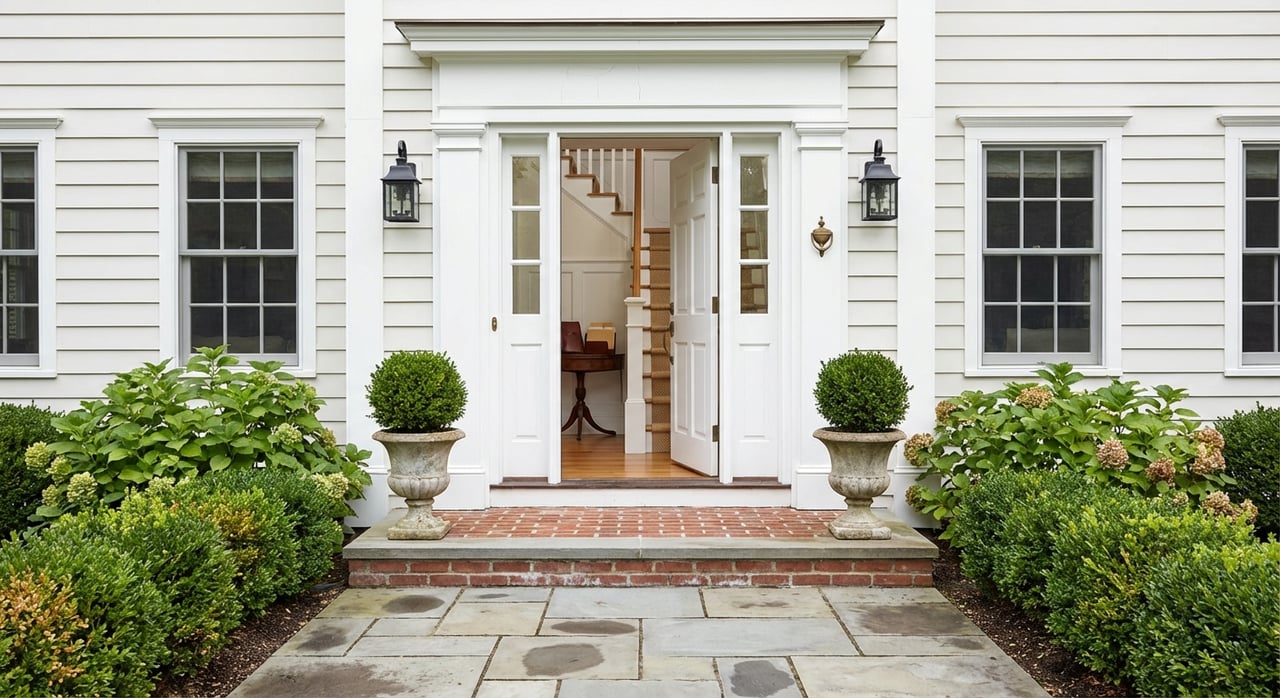
Selling a piece of Hopewell history is exciting, but it comes with extra steps that smart buyers will ask about. You want to honor your home’s character, avoid surprises, and still move efficiently to closing. In this guide, you’ll learn the rules, documents, and presentation strategies that help you sell a historic Hopewell property with confidence. Let’s dive in.
What “historic” means in Hopewell
Hopewell recognizes historic resources at both the Township and Borough levels. The Township’s Historic Preservation Commission (HPC) and Historic Preservation Plan Element explain how local landmarks and districts are identified, and when exterior changes or demolitions trigger review. You can confirm local status and see how the HPC works by reviewing the Township’s Historic Preservation Plan Element.
Hopewell Borough’s village center also has a rich inventory of historic buildings. Local historians have compiled detailed street-by-street surveys that are helpful for sellers and buyers. The Hopewell Borough Cultural Resource Survey offers context, photos, and references that you can cite in your listing materials.
In practice, National or New Jersey Register listings are mostly honorary for private owners. The strongest regulations usually come from local designation and ordinance through the HPC. Check both the municipal register and the relevant ordinance early so you understand what may require review and how that could affect a buyer’s plans.
Know the rules before you list
New Jersey’s pre-contract property disclosure
New Jersey now requires sellers to provide a completed property-condition disclosure before buyers become contractually bound. The Real Estate Consumer Protection Enhancement Act (S‑3192/A‑4454), signed July 10, 2024, makes this a standard part of the process statewide. See the Governor’s announcement to understand the timing and purpose of this rule here.
For historic homes, this means you should prepare a careful, itemized disclosure and gather the records that back it up. Expect to share inspection reports, well tests, permits, and documentation of past restoration or system upgrades. Having this ready up front builds trust and can shorten negotiations.
Federal lead-based paint disclosures for pre-1978 homes
If your home was built before 1978, federal law requires you to disclose known lead-based paint or hazards. You must provide the EPA/HUD pamphlet Protect Your Family From Lead in Your Home and offer buyers a window, commonly 10 days, to perform a lead inspection or risk assessment. The EPA’s guidance explains what to include and how to stay compliant; review it here.
Keep the signed lead-disclosure addendum with your transaction file. Buyers of older homes expect clarity on paint condition, so include any previous lead reports and maintenance records in your packet.
Private wells and New Jersey’s PWTA
If your property’s drinking water comes from a private well, New Jersey’s Private Well Testing Act (PWTA) requires testing for certain water-quality parameters as part of most sales. Results must be reported on the State’s form and reviewed by both parties before closing. You can see the rule reference and timing details here.
Build this step into your timeline since laboratory reporting can take time. Having a recent, complete PWTA report ready reassures buyers and avoids closing delays.
Local historic review and preservation easements
If your Hopewell property is locally designated or within a historic district, certain exterior changes, demolitions, or relocations may require HPC review. Early contact with the municipal planner or HPC can help you explain review requirements to buyers and set realistic expectations. The Township framework and roles are outlined in the Historic Preservation Plan Element.
If a preservation easement exists on your property, it must be disclosed. Easements can limit changes and often require approvals for certain work. For background on state-level preservation programs and documentation, see the New Jersey Historic Trust’s overview here.
Documents buyers expect to see
Strong documentation shortens due diligence and supports price. Assemble a digital and printable packet that includes:
- Deed, title work, and a clear list of easements or any preservation/conservation easements.
- Local historic designation records and guidance if applicable, such as municipal register listings, HPC resolutions, and any design guidelines or style references. The Township offers a helpful overview in its Historic Preservation Plan Element.
- National or New Jersey Register nominations or correspondence, if available. These can be useful for marketing and for buyers exploring eligibility for certain incentives.
- Maintenance and repair records for major systems and components. Include contractor invoices, warranties, and dates for roofs, chimneys, HVAC, electrical, plumbing, and foundation work.
- Pre-listing reports where appropriate, such as structural, pest/wood-destroying insect, chimney, HVAC evaluation, and an electrical safety review. If your home is pre-1978, consider a lead assessment to pair with federally required disclosures.
- PWTA well test results on the State form if your property uses a private well.
- Historic-works documentation such as condition assessments, scopes of past restoration work, costs, and before-and-after photos. If relevant, include any NJ Historic Trust involvement or certifications from the program overview here.
- A photographic survey highlighting character-defining features and a recent floor plan or property survey.
- Copies of permits for past work. If permits are missing for major work, disclose it and consider cures or additional documentation.
Pro tip: Add a one-page Historic-Feature Summary that highlights preserved elements, major completed work and dates, and any recommended future investments with cost ranges. It helps buyers and appraisers see the value and the path forward at a glance.
Presenting and preserving value
Repairs that matter for historic homes
Buyers in the Princeton–Hopewell market love original character but expect safe, efficient systems. Preserve historic fabric where feasible and focus on targeted upgrades that deliver reliability. For example, the National Park Service recommends repairing historic windows and adding appropriate storm solutions rather than full replacement when possible. You can read their guidance on efficiency in historic buildings here.
Modern mechanicals are a priority. If you still have original wiring, ungrounded outlets, or older plumbing, disclose it and provide contractor estimates for updates. Clear scopes and timelines help buyers budget and often make financing and insurance smoother.
Staging and marketing for character
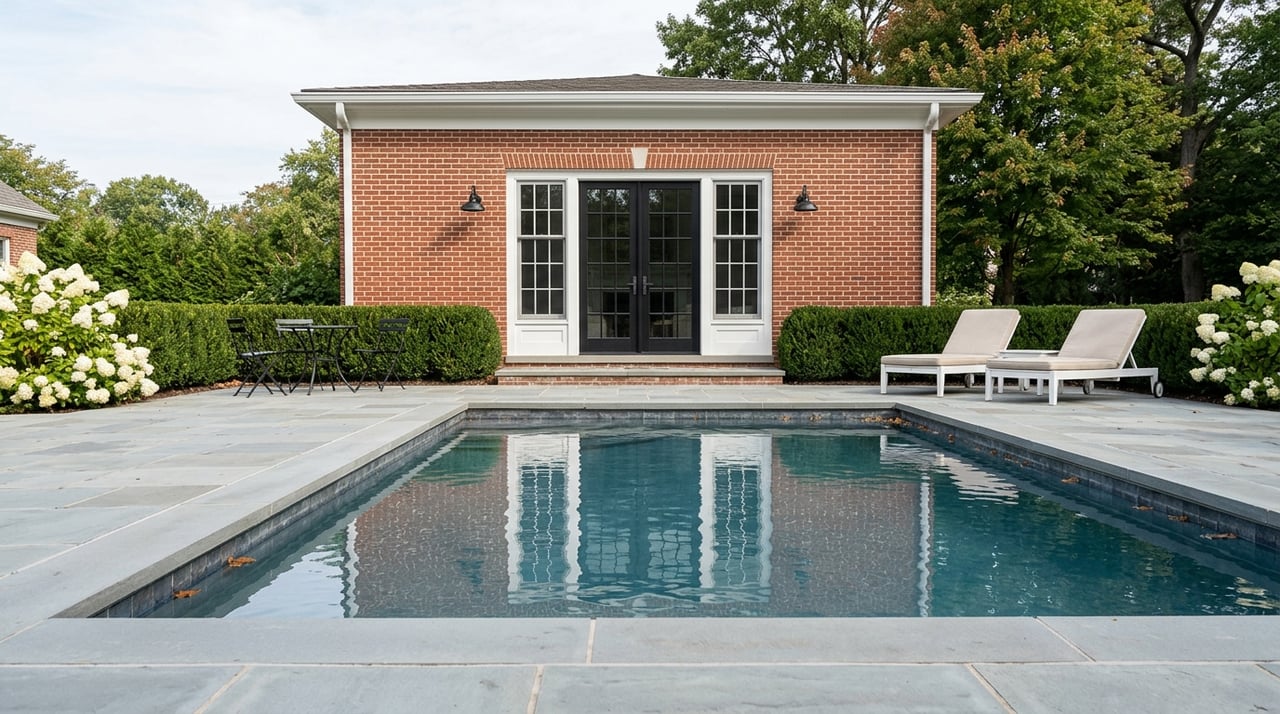
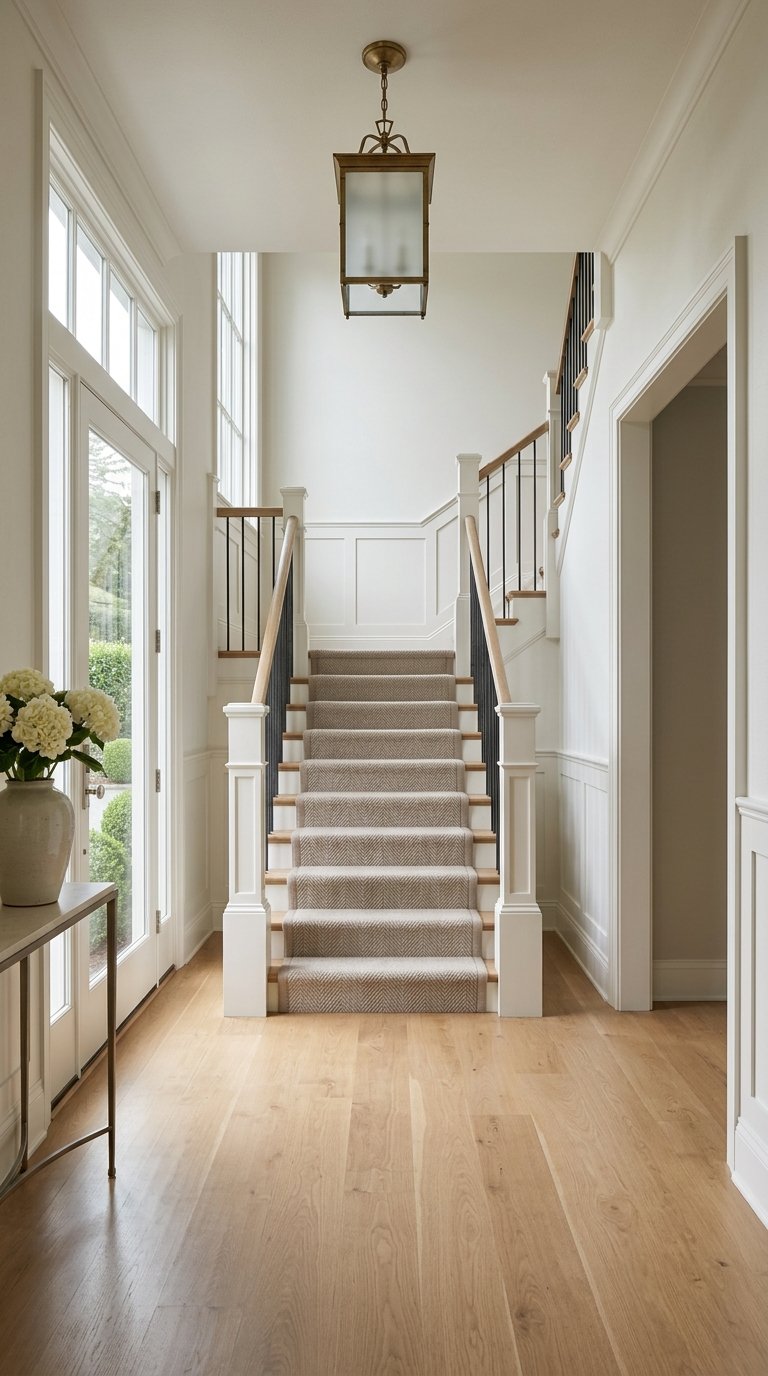
Lean into what makes your home special. Photograph details like staircases, mantels, millwork, windows, porches, and landscape features, and pair images with a short historical or architectural description. The Borough’s cultural survey offers helpful context and language you can cite, available here.
To reach preservation-minded buyers, include your home’s listing on niche historic channels, such as the National Trust’s network here, along with the local MLS. Create an easy download link for your full document packet so buyer agents can circulate it quickly.
For visual cohesion, reference the Township’s HPC style guidance when describing exterior materials and forms. Introductory overviews can be found within Township documents and style references like the HPC’s Architectural Styles guidelines here.
Pricing, appraisal, and timeline planning
Historic properties sometimes require special handling in appraisal because standard comps may not capture craftsmanship, materials, or preservation work. Make it easy for the appraiser to value your home by supplying your Historic-Feature Summary, contractor scopes and costs, condition reports, and any recognized designations.
Pre-listing inspections often pay for themselves. In New Jersey, you must deliver a property-condition disclosure before buyers are bound, so an early inspection helps you complete the form accurately and reduce post-contract renegotiations.
Build extra time into your calendar for well testing if you have a private well, for any HPC conversations if your property is locally designated, and for lead-based paint steps for pre-1978 homes. Early outreach to the municipal planner or HPC can reduce surprises and keep your closing on track.
Pre-listing checklist
- Confirm any municipal, state, or national designation and collect documentation.
- Assemble your document packet: deed and title, permits, maintenance records, contractor invoices, restoration documents, condition reports, and photos.
- If on a private well, order PWTA testing and plan for lab reporting schedules.
- If pre-1978, prepare the federal lead-disclosure addendum and pamphlet and consider a lead risk assessment if paint is deteriorated.
- Address safety and visible deferred maintenance while preserving character. Share estimates for larger recommended projects.
- Contact the municipal HPC or planning office to confirm any review requirements or design guidelines that affect buyer plans.
- Choose marketing channels that reach preservation buyers and prepare a one-page Historic-Feature Summary and a maintenance-permit timeline sheet.
Local resources for sellers
- Hopewell Township Historic Preservation Plan Element: process, HPC role, and review scope. Read it here.
- Hopewell Borough Cultural Resource Survey: local history and architectural context. Explore it here.
- NJ Historic Trust Preserve New Jersey: grants and planning resources. Overview here.
- National Park Service on efficiency in historic buildings: practical repair and retrofit guidance. See it here.
- National Trust’s historic real estate network: targeted marketing channel. List or browse here.
Next steps
Selling a historic home in Hopewell is about clarity, care, and smart presentation. When you prepare the right documents, set buyer expectations early, and highlight authentic character, you protect your timeline and your price. If you would like a tailored plan for your property, connect with Helen Sherman for a discreet consultation and bespoke marketing strategy. Get Your Free Home Valuation.
FAQs
What makes a home “historic” in Hopewell and why does it matter when selling?
- Local designation through municipal ordinance can trigger HPC review for exterior changes, while state or national listings are largely honorary; confirm status using the Township’s Historic Preservation Plan Element.
Do buyers need municipal approval to change exteriors if the home is in a historic district?
- Many exterior alterations, demolitions, or relocations may require HPC review if the property is locally designated, so disclose this and encourage buyers to consult Township materials early.
What does New Jersey’s 2024 pre-contract disclosure rule require from me as a seller of an older home?
- You must provide a completed property-condition disclosure before buyers are contractually bound; see the Governor’s announcement here and prepare inspection reports, permits, and maintenance records to support it.
How do federal lead-based paint rules affect my Hopewell sale for a pre-1978 home?
- You must disclose known lead hazards, give buyers the EPA/HUD pamphlet, and allow a period for a lead inspection or risk assessment; find details on the EPA page here.
What should I plan for if my property uses a private well in New Jersey?
- The PWTA requires specific water testing with results provided on the State form and reviewed before closing; see the rule reference here.
Are there grants or easements that could impact my sale or a buyer’s plans?
- Some properties may have preservation easements that limit changes, which you must disclose, and certain projects may relate to state preservation programs; review the NJ Historic Trust overview here.