Considering a move to Princeton’s Western Section? If you’re drawn to larger lots, elegant homes, and a quieter residential feel close to downtown, you’re in the right place. You want practical insight on where it is, what the homes are like, and how life actually works day to day. This guide gives you a clear, local view so you can decide if the Western Section fits your lifestyle and goals. Let’s dive in.
Where the Western Section is
Locals use “Western Section” to describe residential streets west of downtown Princeton around Nassau Street. It’s a neighborhood identity rather than an official district, so boundaries can vary by who you ask. To verify parcel lines, zoning, and exact addresses, use the Town of Princeton’s official resources on the Town of Princeton website.
You’ll find a short drive or bike ride to downtown shops, restaurants, and Princeton University. Walkability depends on your specific street and topography, so it helps to test your route at different times of day.
Home styles you’ll see
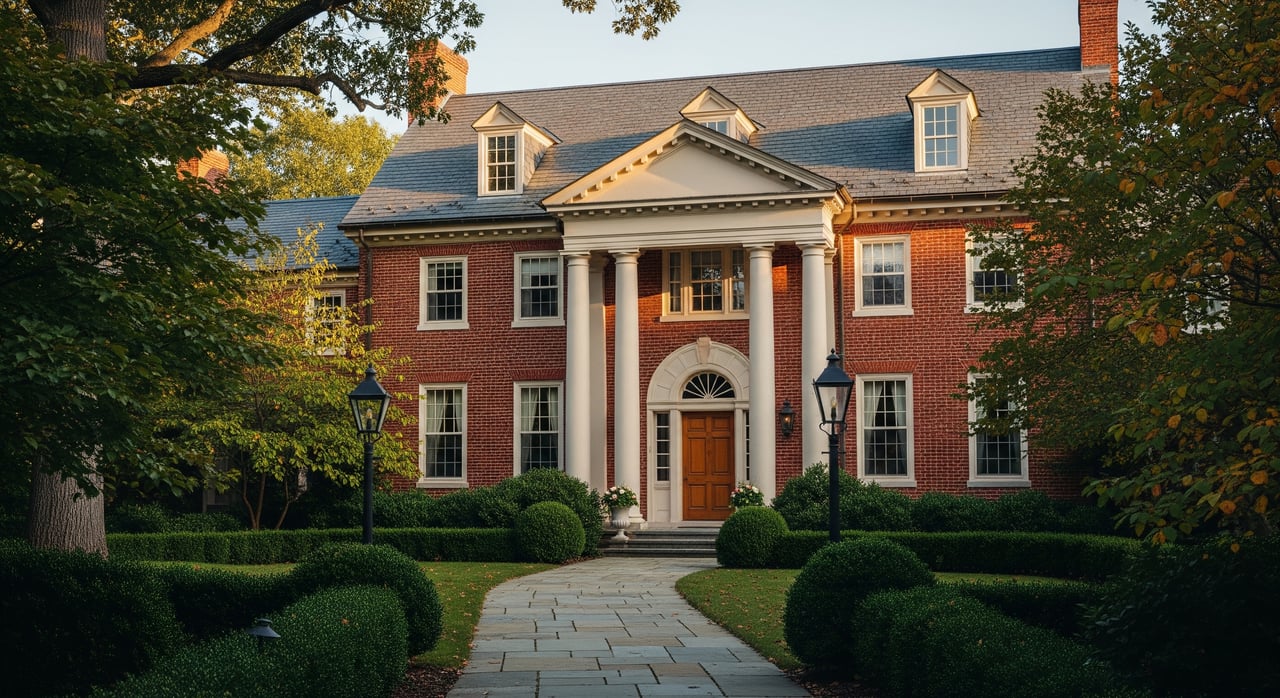
High‑end single‑family homes are common in this area. You’ll see:
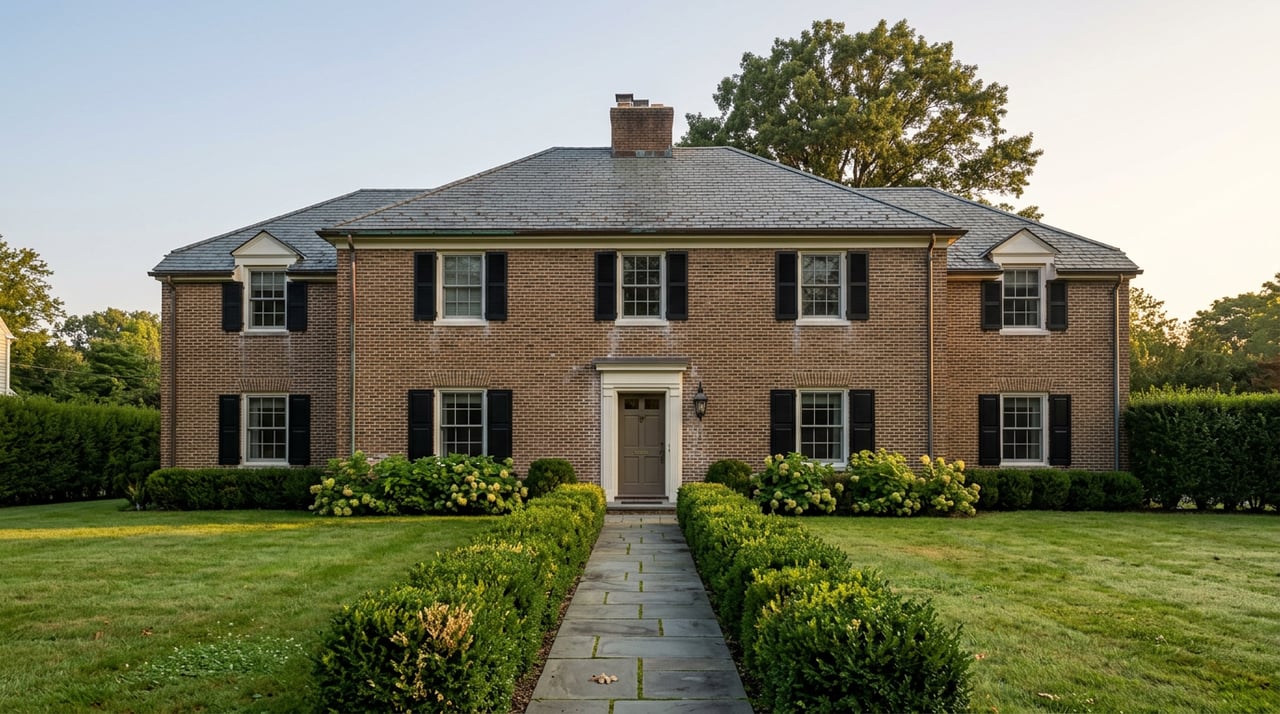
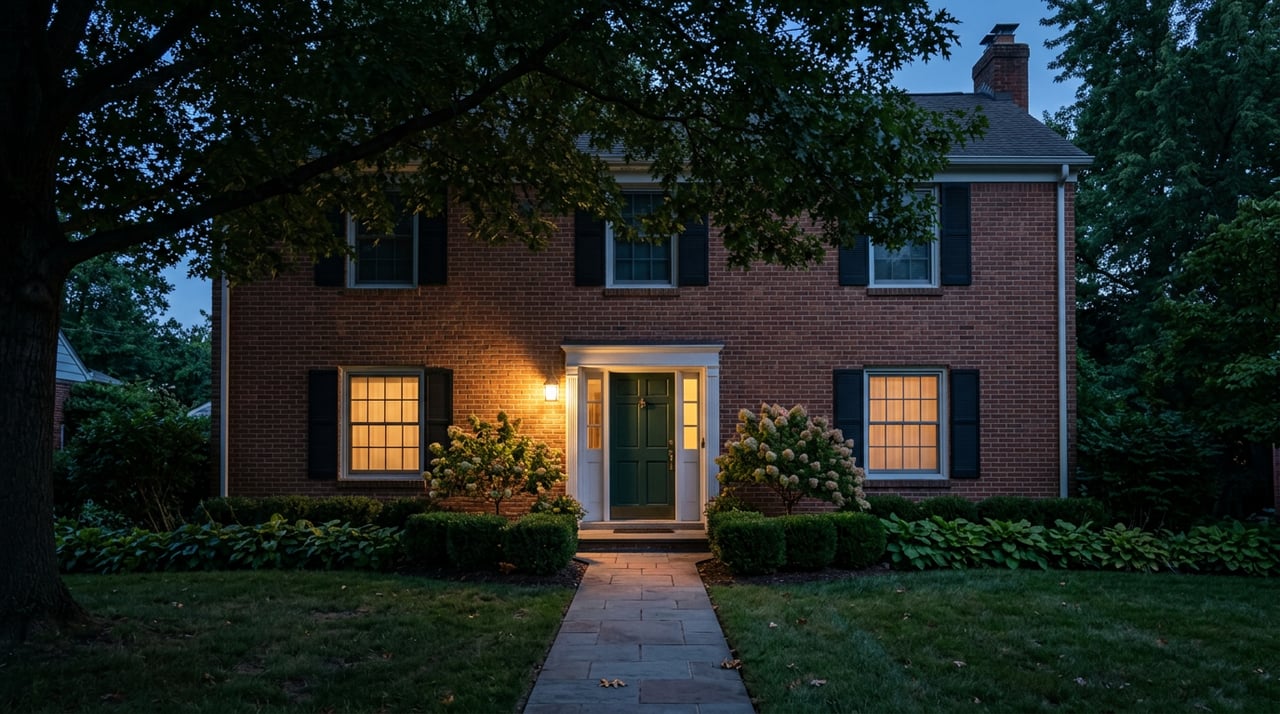
- Traditional Colonial and Georgian architecture with symmetrical façades and formal entries.
- Tudor and English manor influences with stone or brick accents and steep gables.
- Mid‑century and late‑20th‑century homes, including ranch and contemporary designs.
- Custom new builds and extensively renovated historic properties.
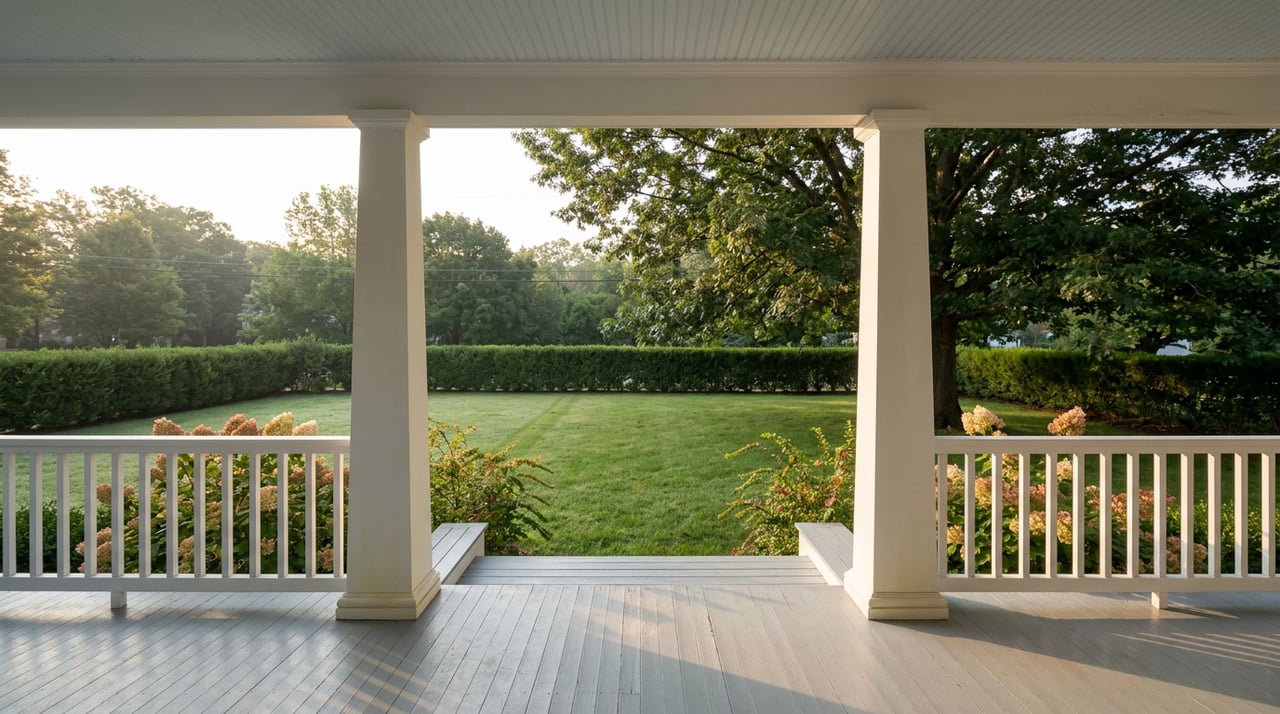
Many homes feature detached garages, generous porches or porticos, and mature landscaping. Accessory structures like pool houses or guest suites appear in certain pockets.
Lots, privacy, and outdoor living
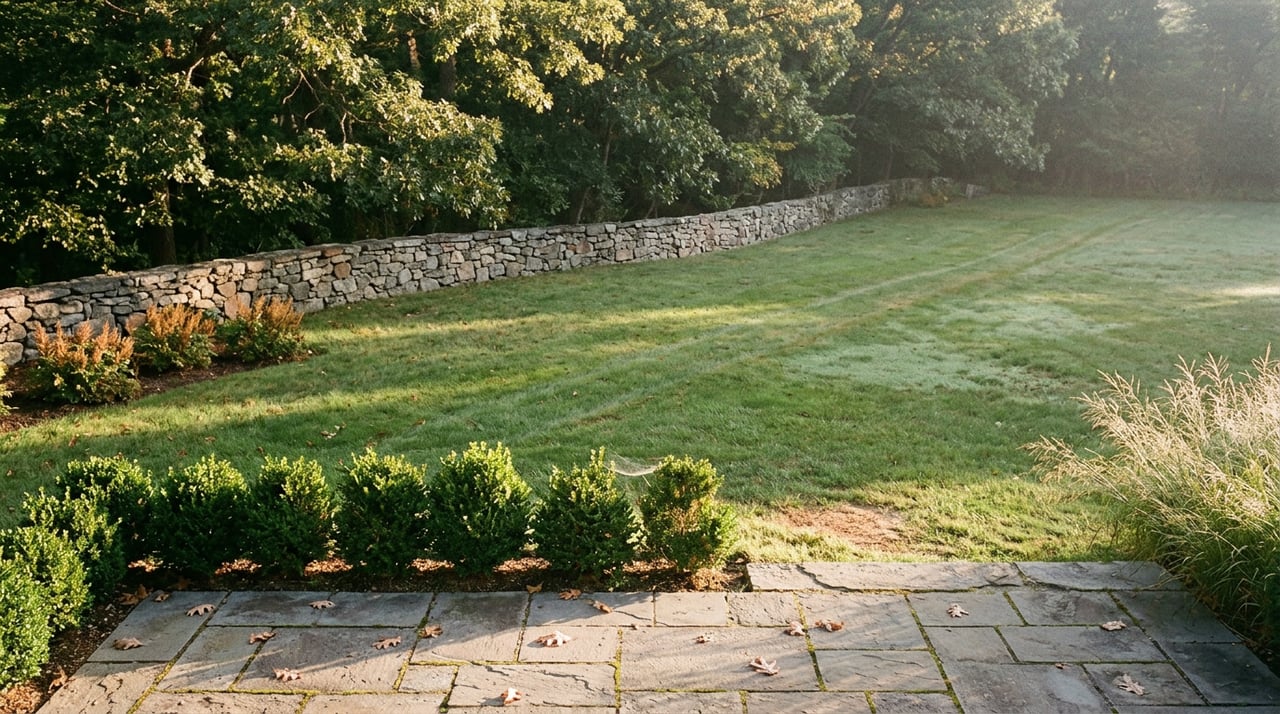
Compared with in‑town streets near Nassau Street, the Western Section typically offers more yard and greater space between homes. Lot sizes vary block to block, from comfortable suburban parcels to estate‑scale properties. If outdoor living is a priority, pay attention to orientation, tree cover, and grading so you can plan for patios, pools, or play areas that get the light you want.
Age, condition, and renovations
Housing ages range from late 19th‑century to recent custom construction. Many homes have seen major updates. It’s common to find modern kitchens, primary suites, finished basements, and upgraded mechanicals. If you’re considering an older property, budget for system upgrades and insulation improvements alongside aesthetic updates.
Everyday lifestyle and amenities
Downtown access
You’re close to Nassau Street for dining, coffee, bookstores, and daily errands. Cultural events at Princeton University add year‑round interest, from lectures to performances. The experience varies by exact address, so check your door‑to‑parking or door‑to‑dining time during both peak and off‑peak hours.
Parks and open space
Many streets back to wooded buffers or lie near municipal parks with fields and trails. Larger lots create a green, residential feel. For park details and local programming, start with the Town of Princeton.
Schools and education
Princeton Public Schools serve the municipality, and school assignment depends on your address. Always confirm current boundaries and enrollment details with Princeton Public Schools. Families also consider nearby private and parochial options, along with enrichment connected to the university community.
Commute and transportation
Many residents combine driving with regional rail for New York and Philadelphia trips. The Princeton Junction station on NJ Transit’s Northeast Corridor is a key hub, and the local Princeton Dinky provides short‑hop rail access between Princeton and Princeton Junction. For up‑to‑date routes and schedules, check NJ Transit.
Proximity to Route 206 and I‑295/I‑95 via connector roads helps with regional driving. Traffic patterns vary by time of day, so test your commute when you’d actually travel.
What to evaluate before you buy
Buying in the Western Section often involves higher price points and larger properties, so a focused checklist helps you make a confident decision:
- Outdoor potential. Confirm sun exposure, grade, and setbacks if you plan a patio, pool, or sport court.
- Systems and structure. Older luxury homes can require HVAC, electrical, roofing, or insulation upgrades. Consider specialized inspections.
- Zoning and additions. If you’re planning an addition or accessory structure, confirm setbacks and permitted uses with municipal resources on the Town of Princeton.
- Property taxes. Assessments can be significant on larger homes. Review the most recent tax bill and consult Mercer County records before you write an offer.
- Flood, wetlands, and environment. Check the FEMA Flood Map Service Center and the NJDEP GIS viewer to understand any mapped constraints.
- Historic or preservation status. Some properties may be subject to preservation review. Start with the Historic Preservation information on the Town of Princeton.
How the Western Section compares
You’ll generally find more yard and privacy here than in the heart of downtown, with less upkeep than a far‑out country estate. The tradeoff is a slightly longer walk to Nassau Street depending on your exact block. If you value quiet streets and a residential setting without giving up Princeton’s culture and dining, the Western Section often hits the sweet spot.
Getting oriented in person
A short field checklist can make your search more efficient:
- Drive and bike your top streets during morning and evening hours.
- Time your trip to downtown, schools, and the station you’d use most.
- Review parcel lines, setbacks, and any overlays through the Town of Princeton.
- Price future upgrades by meeting contractors early for rough scopes.
- Walk the block to get a feel for traffic flow and lighting after dusk.
When you’re ready to tour, a private showing plan keeps you focused on the right homes and avoids wasted trips.
Ready to explore homes in Princeton’s Western Section with a trusted local advisor? Reach out to Helen Sherman for tailored guidance, discreet buyer representation, and a data‑backed plan to secure the right property.
FAQs
What and where is Princeton’s Western Section?
- It’s a locally used name for residential streets west of downtown Princeton near Nassau Street. Because it isn’t an official district, confirm parcel details and zoning on the Town of Princeton site.
What home styles are common in the Western Section?
- You’ll see Colonial, Georgian, Tudor, and English manor designs, plus mid‑century, late‑20th‑century, and custom new builds, with many homes updated for today’s living.
How do school assignments work in Princeton?
- Princeton Public Schools assign by address; always verify current boundaries and enrollment details directly with Princeton Public Schools.
How do you commute from Princeton to NYC or Philadelphia?
- Many residents drive to Princeton Junction for NJ Transit rail service, use the Princeton Dinky for local rail connections, or drive regionally. Check NJ Transit for current schedules.